A preliminary injunction motion is set for May, the judge issued a scheduling order, and CARB announced a public workshop to kick off a rulemaking to implement the laws.

By Joshua T. Bledsoe, Nikki Buffa, Betty M. Huber, and Matthew Green

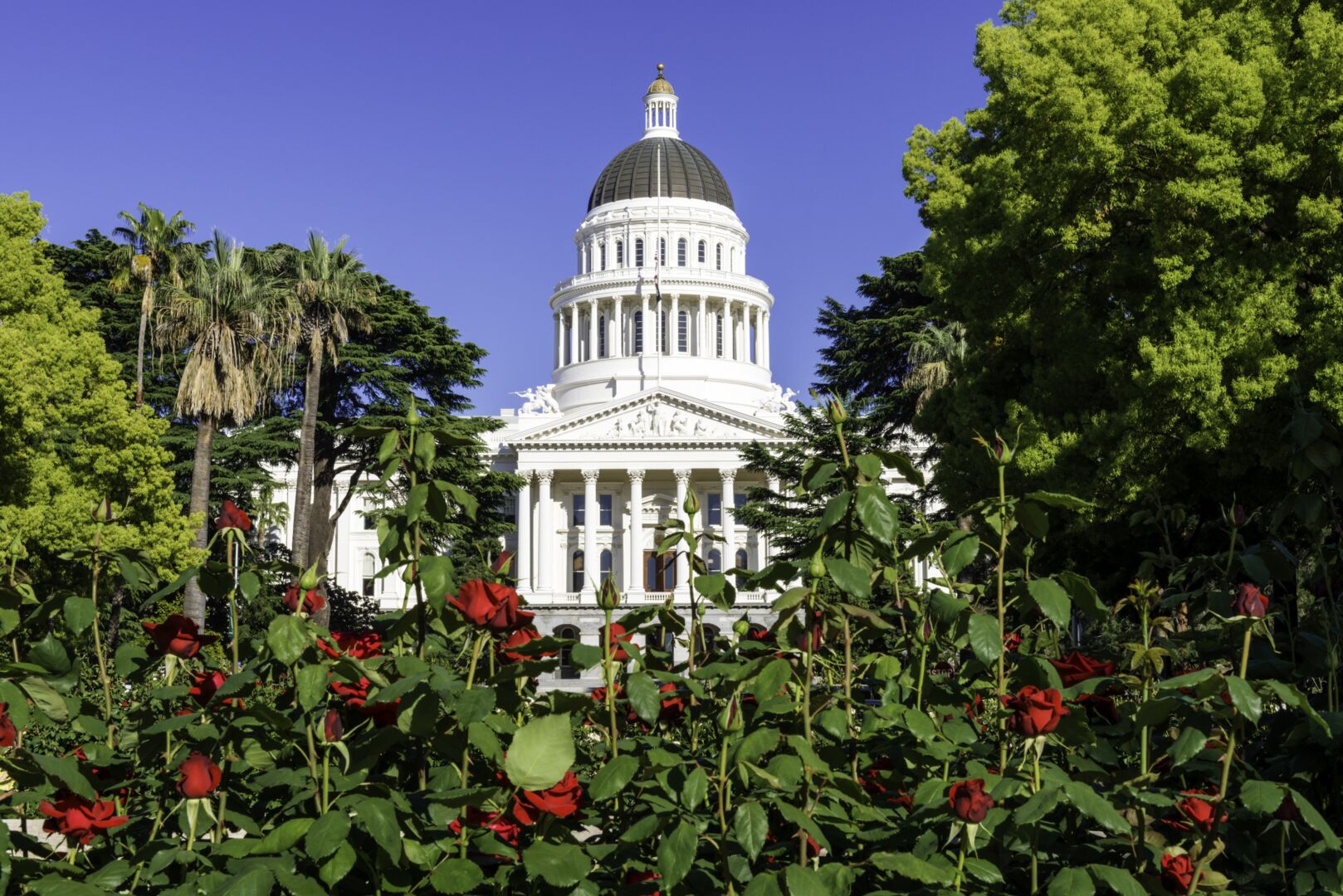
The litigation over California’s climate disclosure laws has been ongoing since January 2024. In the latest development, the US District Court for the Central District of California is scheduled to conduct a hearing on a motion

Stakeholders should stay informed as state and federal officials advance plans and policies for water conservation, water quality, and climate resilience in California.

By Mike Romey, Lucas Quass, Nolan Fargo, Cody Kermanian, and Samantha Yeager

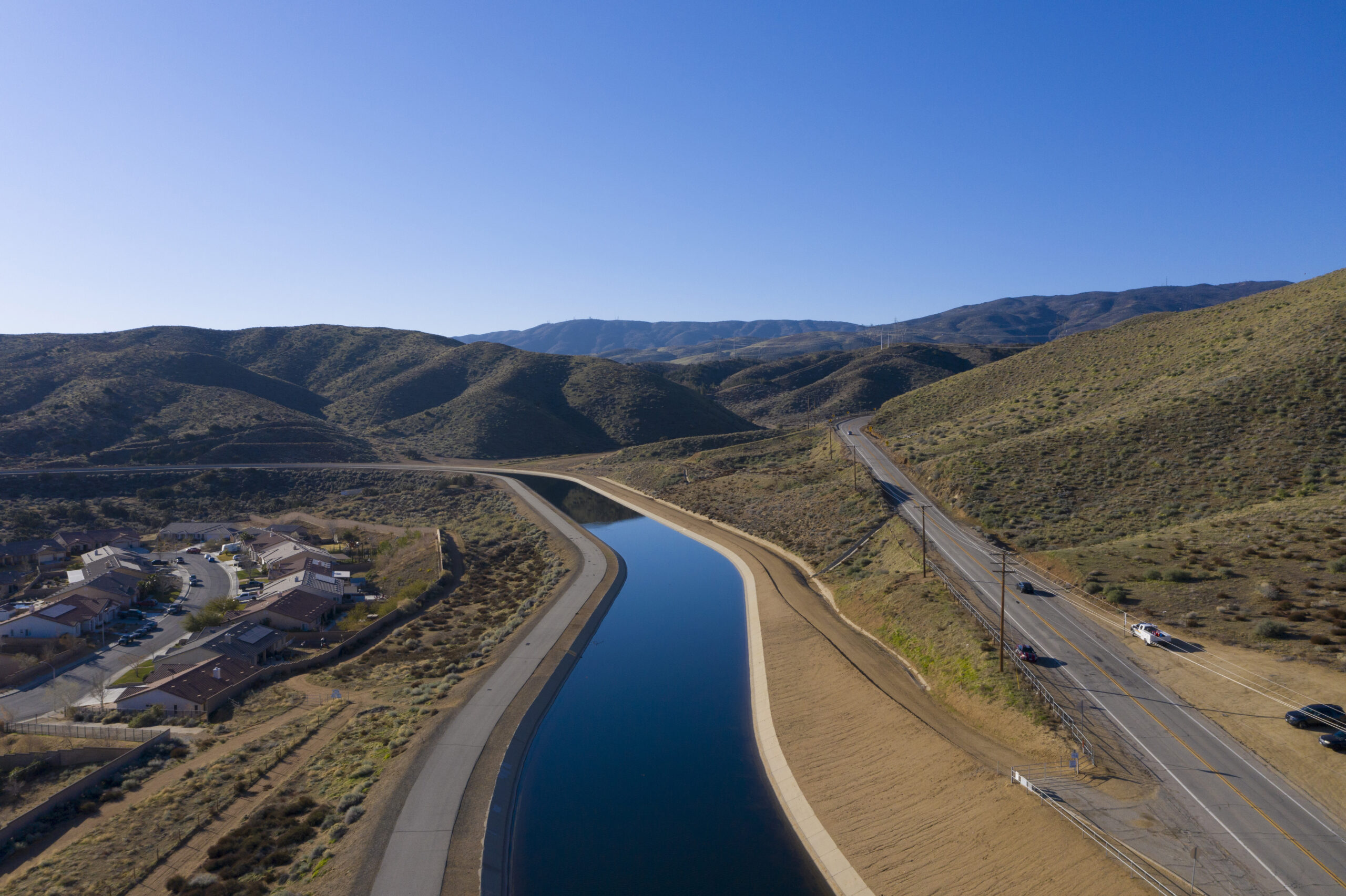
Following consecutive years of heavy rainfall, California experienced record heat and dry conditions during the summer of 2024, which led parts of the state back into drought. Despite late 2024 storms in Northern California, January 2025 saw statewide precipitation fall below

The Compass aims to address concerns about productivity and maintain Europe’s leading role in sustainable innovation and climate neutrality.

By Paul A. Davies, Michael D. Green, and James Bee

On 29 January 2025, the European Commission (the Commission) launched the Competitiveness Compass, a strategic initiative that builds on the work undertaken by Mario Draghi. His report, commonly known as the Draghi Report, identified that the EU could no longer rely on many of the essential elements to the

The proposal represents a step forward for carbon capture and storage projects in the state and could accelerate the permitting process.

By Nikki Buffa, Jennifer Roy, Joshua Bledsoe, and Samantha Yeager

The US Environmental Protection Agency (EPA) has proposed a significant regulatory change that could expedite the development of carbon capture and storage (CCS) projects in West Virginia. A proposed rule published on November 27, 2024 would grant the West Virginia Department of Environmental Protection (WVDEP) primary enforcement authority, or “primacy,” for permitting Class VI Underground Injection Control (UIC) wells. These wells are used for geologic sequestration of anthropogenic carbon dioxide, which has been identified as a key component in meeting greenhouse gas emissions reductions targets and advancing energy security.

On December 28, 2023, EPA granted primacy to Louisiana. Louisiana is the third state to receive this delegation of regulatory authority from the EPA, following North Dakota in 2018 and Wyoming in 2020. If West Virginia ultimately is granted primacy, it will become the fourth state to have Class VI UIC well permitting authority.

South Korea’s Constitutional Court has issued a “first of its kind” decision in Asia, requiring South Korea to update its greenhouse gas reduction targets.

By Paul A. Davies, Wonsuk (Steve) Kang, Michael D. Green, James Bee, Stephanie Forrest, and Jiou (Alex) Park

On 29 August 2024, South Korea’s Constitutional Court (the Court) ruled unanimously that a provision of the 2021 Framework Act on Carbon Neutrality and Green Growth for Coping with Climate Crisis (the Framework)

The key principles for a Carbon Management Strategy and draft act on the revision of the Carbon Storage Act create new opportunities for investors and project developers.

By Tobias Larisch, Alexander “Stefan” Rieger, John-Patrick Sweny, Jean-Philippe Brisson, and Joachim Grittmann

The German Federal Government’s Carbon Management Strategy and the revision of the Carbon Storage Act (Kohlendioxid-Speicherungsgesetz, KSpG) aim to remove current obstacles to (i) Carbon Capture and Storage (CCS) and (ii) Carbon Capture and Utilisation (CCU)