The recently announced stockpile represents significant opportunities, but much of that depends on unresolved details that companies must continue to monitor.

By Charles E. Carpenter, Joshua W. Marnitz, and Austin J. Pierce

Key Points:

  • The $12 billion stockpile has been characterized as similar to other US strategic “reserves” but has a distinct setup with both public and private funding.
  • Questions remain on how the stockpile will take into account US policy priorities and function in practice.

Introduction

On

The proposed rules would have triggered EPA risk reviews and restrictions on the industry.

By Julia A. Hatcher, Jennifer K. Roy, Nolan Fargo, and Bruce M. Johnson

On July 9, 2025, the US Environmental Protection Agency (EPA) withdrew significant new use rules (SNURs) proposed under Section 5 of the Toxic Substances Control Act (TSCA) for 18 chemicals derived from waste plastic feedstocks.1 The 18 chemicals are part of a growing industry referred to as “advanced plastics

If finalized, the rule would eliminate both Obama- and Biden-era limits on GHG emissions from fossil fuel-fired power plants.

By Karl A. Karg, Stacey L. VanBelleghem, Nikki Buffa, Devin M. O’Connor, and G. Jack Mathews

On June 11, 2025, the US Environmental Protection Agency (EPA) released a proposed rule under the Clean Air Act (CAA) titled “Repeal of Greenhouse Gas Emissions Standards for Fossil Fuel-Fired Electric Generating Units” (the Proposed Repeal).

Under the current Obama- and

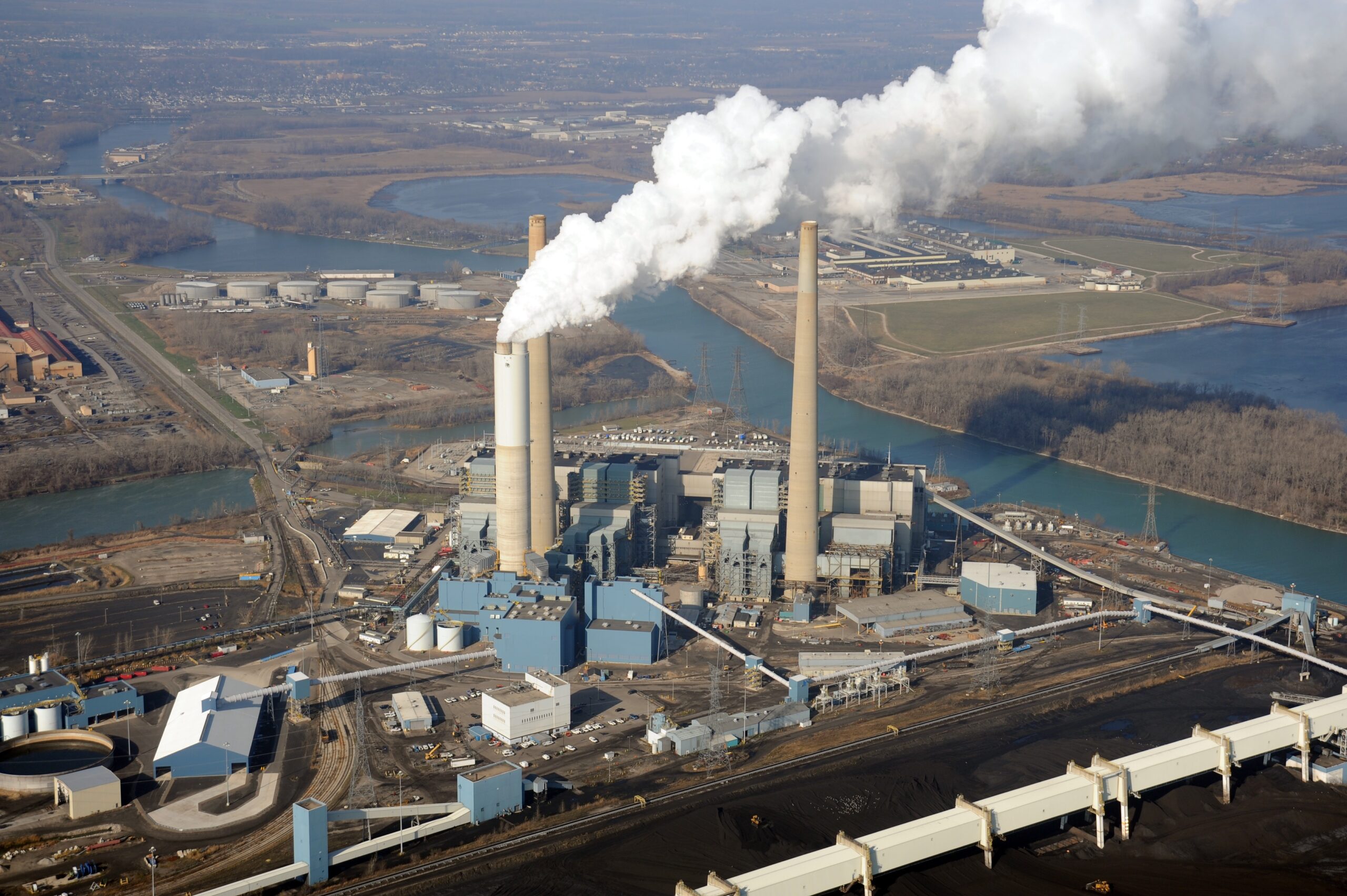
The president’s actions aim to bolster coal production and exports and coal-fired power generation, highlighting the importance of coal to US economic and national security.

By Karl Karg, Devin M. O’Connor, Stacey VanBelleghem, and Bisi Ogunmefun

On April 8, 2025, President Trump signed an executive order (Order) to boost coal production and exports, following other White House actions designed to spur domestic energy production and power generation. This latest Order emphasizes the economic and national security importance

The order aims to coordinate government efforts to fast-track permitting and accelerate funding to enhance critical minerals value chains from the mine to finished products.

By Nikki Buffa, Devin M. O’Connor, and Austin J. Pierce

On March 20, 2025, President Trump issued an executive order titled “Immediate Measures to Increase American Mineral Production” (the Order). The Order, which we noted in our blog post Week 9 in Review, represents another step by the Trump administration to expand

President Trump’s orders, which include withdrawing from international climate agreements and declaring an energy emergency, emphasize domestic production and regulatory reform.

By Nikki Buffa, Devin O’Connor, Janice Schneider, Stacey VanBelleghem, and Brian McCall

On the first day of his second term in office, President Donald Trump signed a series of executive orders and memoranda that signal a significant shift in US energy and environmental policy. These actions aim to reshape the regulatory landscape, prioritize domestic conventional

Finch v. Surrey calls for assessment of all likely direct and indirect environmental effects in EIAs, including certain Scope 3 emissions if a reasonable estimate is feasible.

By Paul A. Davies, Michael D. Green, Stephanie Forrest, and James Bee

On 20 June 2024, the UK Supreme Court (the Court) in Finch v. Surrey CC [2024] UKSC 20 considered whether certain downstream emissions fell within the scope of direct or indirect environmental effects for the purposes of an

EPA will regulate legacy CCR surface impoundments and CCR Management Units for the first time.

By Stacey L. VanBelleghem, Karl A. Karg, Phil Sandick, Jacqueline Zhang, Bruce Johnson, and Samuel Wallace-Perdomo

On April 25, 2024, EPA released its Final Rule to extend certain requirements governing the disposal of coal combustion residuals (CCR) in inactive surface impoundments at inactive power plants (referred to as “legacy CCR surface impoundments” or “legacy ponds”) and CCR Management Units (CCRMU), a